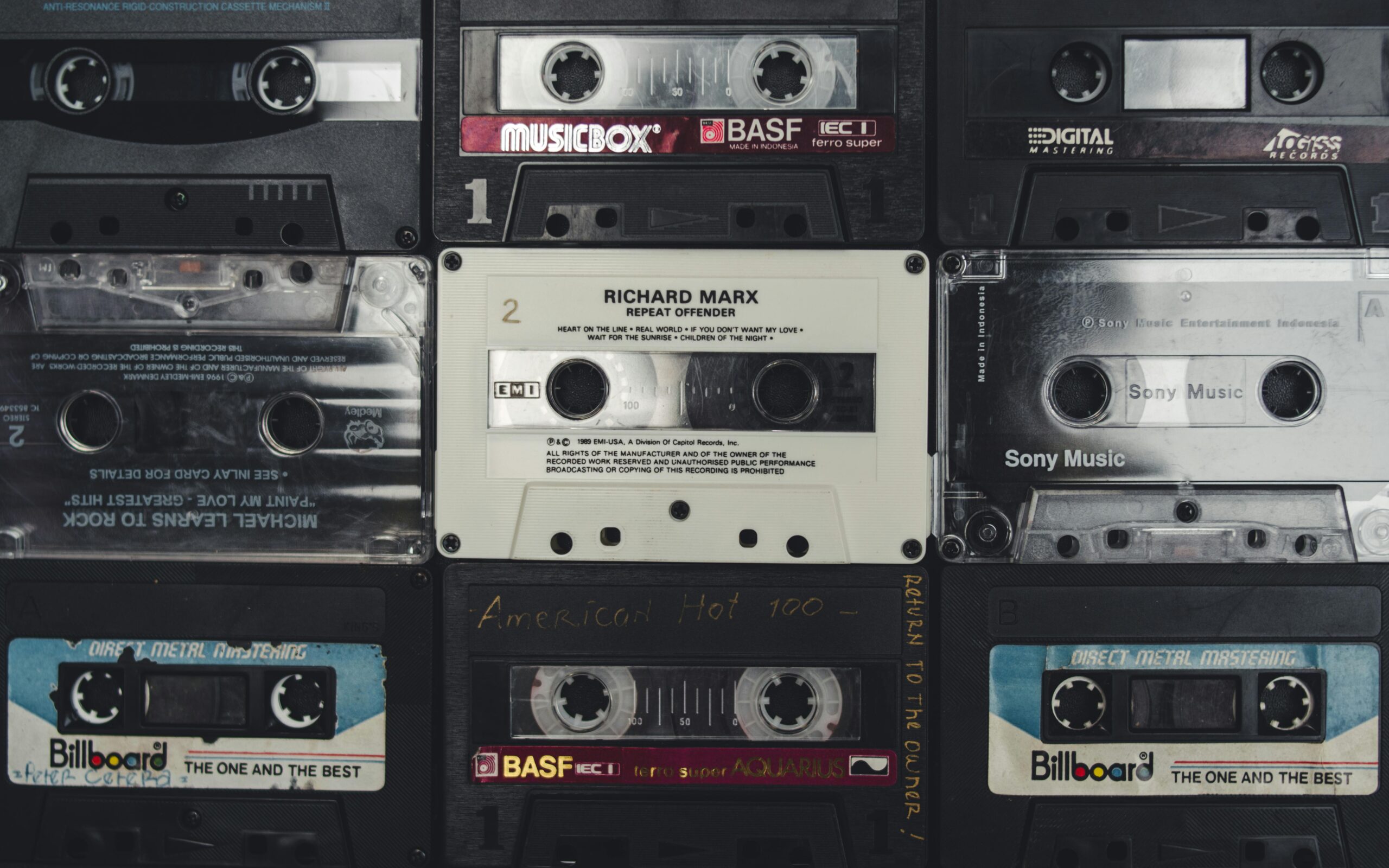


The music industry has always been in motion, but the last five years have reshaped the business in ways few could have predicted. Between rapid advances in technology, shifting fan behaviors, and new opportunities for independent artists, the landscape looks very different today than it did half a decade ago. Let’s talk about some of the most significant changes.
The last five years have transformed how artists create, promote, and earn from their music. What used to require label backing and heavy investment can now be achieved with the right mix of strategy, creativity, and direct fan connection. Let’s talk about some of the most significant changes and what today’s Independent Artists need to know.
- Streaming Has Fully Taken Over
While streaming was already dominant five years ago, its role has solidified as the primary way fans consume music. Platforms like Spotify, Apple Music, and YouTube remain major players, but TikTok has emerged as a surprising driver of music discovery, influencing charts and shaping the careers of new artists. Instead of competing with radio or album sales, streaming is now the central business model.
- Short-Form Video Became Essential
The rise of TikTok, Instagram Reels, and YouTube Shorts changed how artists break out. Instead of full-length music videos being the key marketing tool, now 15–30 second clips can launch a track into viral fame. Artists and labels have had to adapt, learning to market songs through snippets and fan engagement rather than traditional rollouts.
- Direct-to-Fan Business Grew Stronger
The last five years saw artists gaining more control over their income streams. Platforms like Bandcamp, Patreon, and even Shopify have allowed musicians to sell directly to fans. Merchandise, vinyl, and exclusive experiences now make up a larger share of revenue, with artists leveraging personal connection to drive loyalty.
- Independent Artists Have More Power
Thanks to affordable recording technology, digital distribution services like DistroKid and TuneCore, and social media marketing, independent artists now have more tools to succeed without traditional label backing. Many musicians are building sustainable careers by owning their masters, controlling their rights, and monetizing niche audiences.
- Live Music Came Back Stronger—But Different
The pandemic halted live events, but in the last five years we’ve seen concerts come back with new energy. Hybrid performances, live-streamed shows, and metaverse-style experiences gave fans alternative ways to engage. At the same time, live touring has become even more critical for artists’ income, as streaming payouts remain small.
- AI Entered the Conversation
Artificial intelligence is the newest disruptor in the music industry. From AI-generated tracks to tools that help with production, songwriting, and marketing, AI is changing how music is made and promoted. While controversial, it’s clear AI will play a major role in the business moving forward.
Final Thoughts
The last five years have been defined by rapid transformation. Where labels once held all the power, today’s artists have more control, more platforms, and more direct access to fans than ever before. At the same time, competition has never been fiercer. The next five years will likely bring even bigger shifts—but if history is any guide, those who adapt will find the most success.